Two waterfront homes can sit a mile apart on the North Fork and trade at very different numbers. If you’re eyeing Northville or nearby hamlets, you already know that views, privacy and boat access are only part of the story. The details behind docks, depth, elevation and permits drive price as much as the shoreline itself. In this guide, you’ll learn how to read those details so you can price, buy or sell with confidence. Let’s dive in.
What “waterfront” means here
Open bay frontage
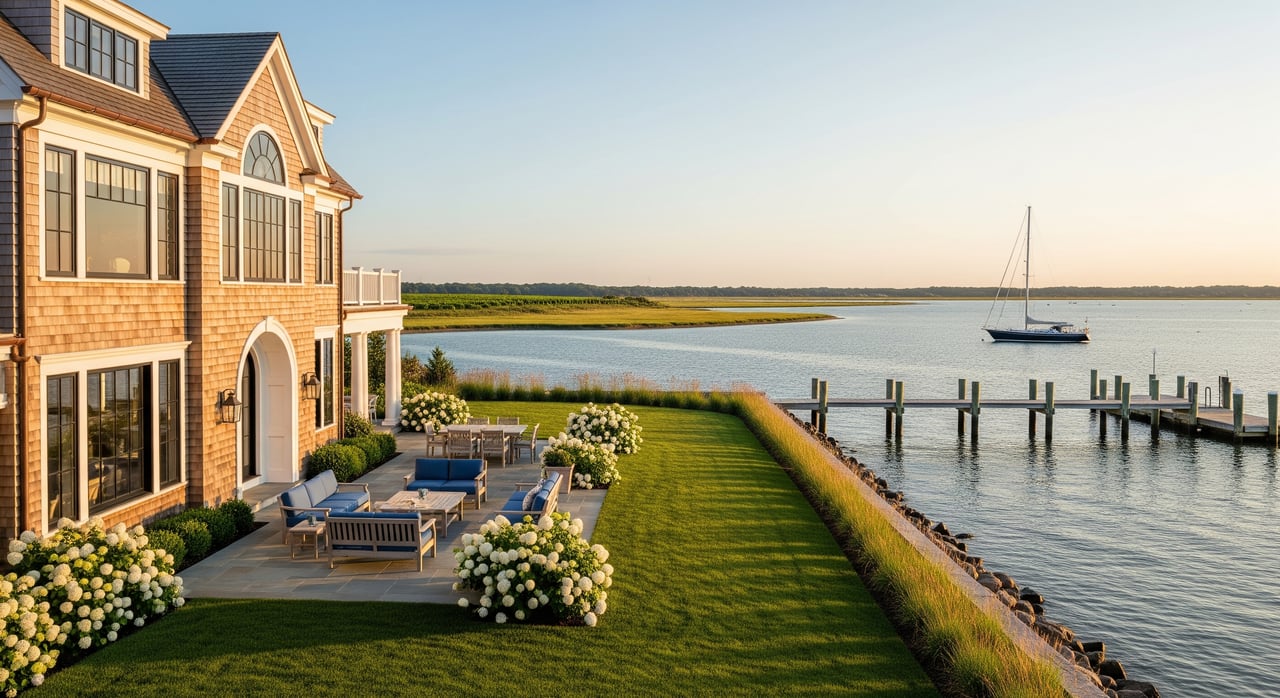
Open Peconic, Little Peconic or Gardiners Bay frontage usually carries the highest premiums. You get wide, uninterrupted water, big‑sky sunrises or sunsets, and potential access for larger boats. The tradeoff is more exposure to wind and surge, so bulkhead condition and insurance matter.
Long Island Sound exposure
Sound‑facing lots can deliver dramatic seascapes and cooler breezes. Elevation is key. High, unobstructed sites can compete with bay premiums, while lower, wind‑exposed stretches may see value tempered by wave energy and coastal rules.
Protected harbors and marinas
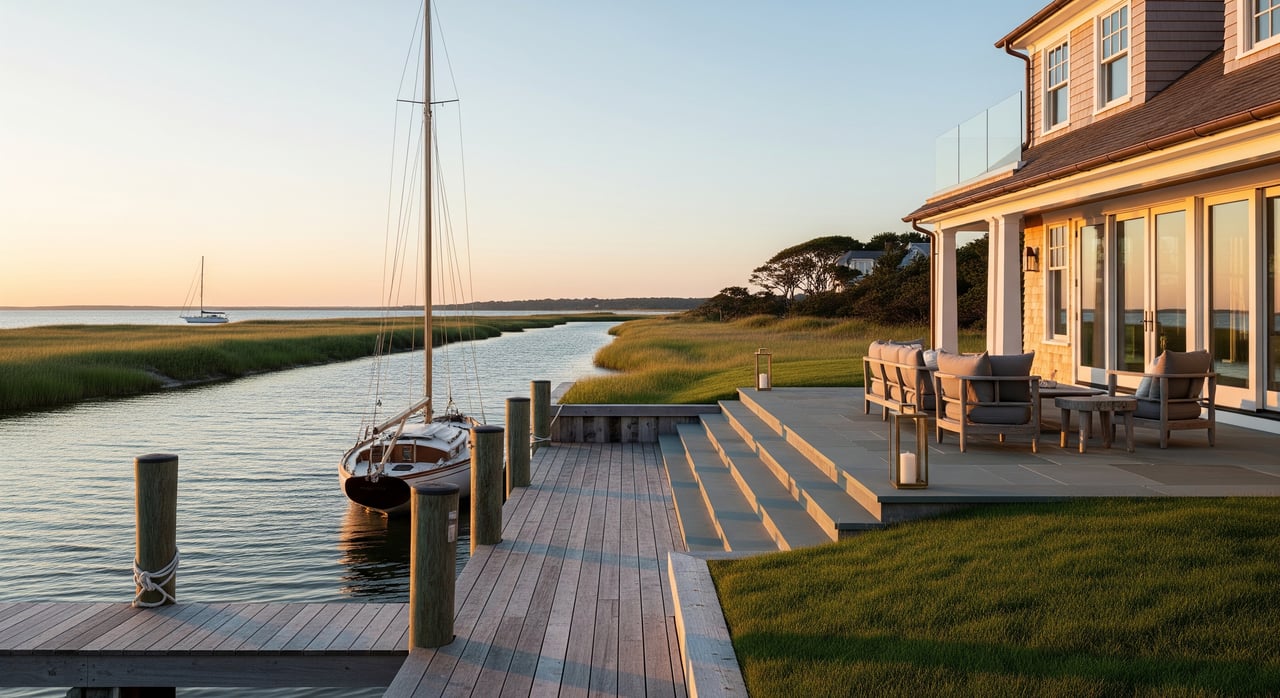
Sheltered coves and harbors offer calmer water and practical boat use. Views may be more intimate than panoramic, but the everyday utility for boaters can push up value per waterfront foot. Depth and tidal windows still matter.
Creeks and tidal estuaries
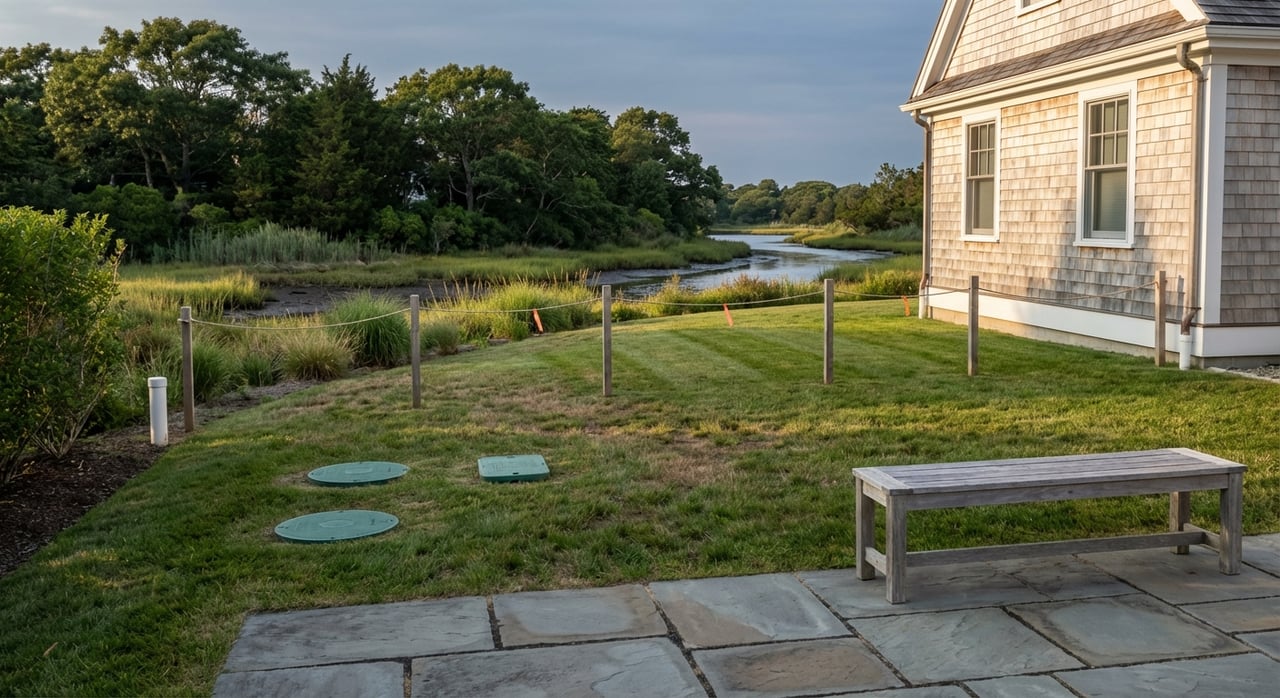
Creekfront can feel like a private nature preserve, with mature trees and marsh buffers. It’s ideal for kayaks and small skiffs. Estate buyers pay for acreage and privacy, though limited navigability and wetlands rules can constrain docks and structures.
Upland with long views
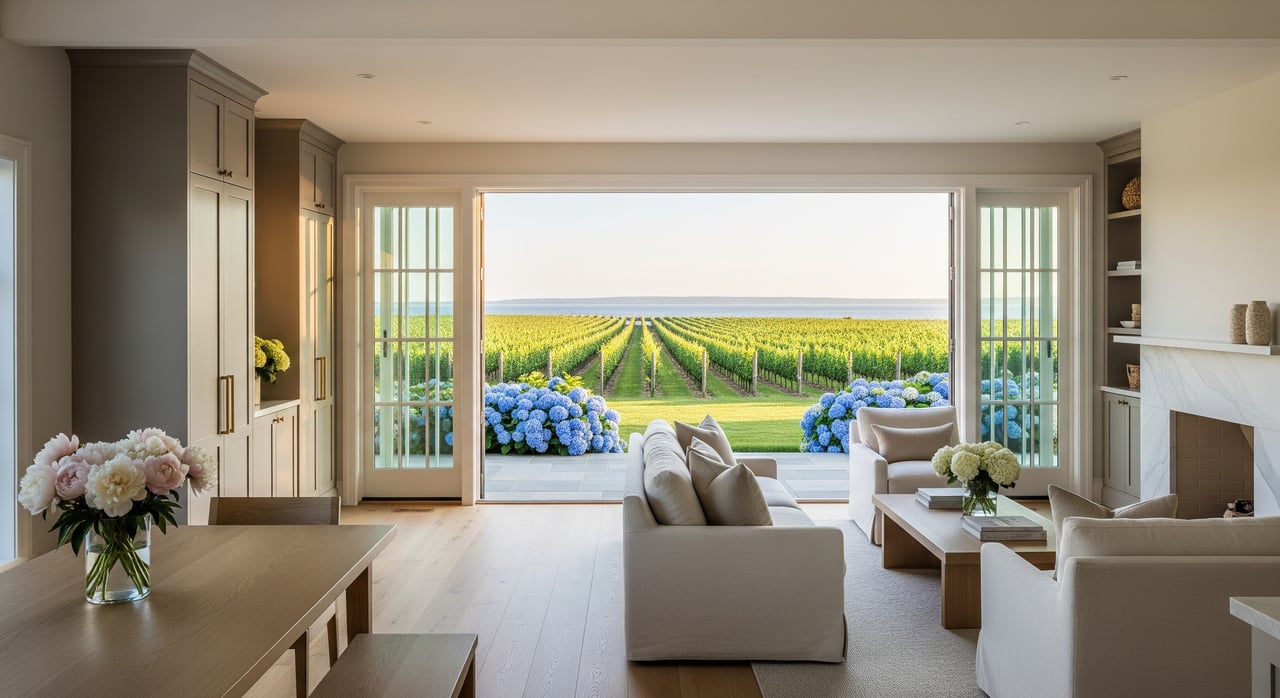
Some upland properties command sweeping marsh or bay views without direct water access. These lots trade below true waterfront but appeal if you want lower insurance exposure, easier maintenance and view‑driven living.
Features that move the number
Depth at mean low water and navigability
Water depth at mean low water decides whether a dock is a year‑round asset or a fair‑weather convenience. Deeper frontage that accommodates larger boats typically earns a significant premium. A marine depth survey at MLW removes the guesswork.
Permitted dock, slips and upland improvements
A permitted private dock, boathouse or multiple slips is scarce and valuable. In Northville and across the North Fork, docks and shoreline work often require approvals from the town, New York State, and in some cases federal agencies. Start with the New York State Department of Environmental Conservation tidal wetlands permits, review Town of Riverhead building and planning resources, and, if applicable elsewhere, check Town of Southold marine permit guidance. Existing unpermitted structures are a red flag.
Orientation and exposure
South or southeast exposures on the bays can deliver warmer light and longer comfortable seasons on patios and docks. North‑facing exposures on the Sound can be stunning but windier. Orientation also affects erosion patterns, which ties back to maintenance and risk.
Lot size, privacy and landscape
Large upland acreage with mature trees and deep setbacks is rare. Estate buyers pay for seclusion and long linear frontage paired with usable upland. Per‑acre and per‑waterfront‑foot math diverges at this level, so compare both.
Elevation and flood zone
Elevation influences foundation type, mitigation needs and insurance premiums. Always confirm the current FEMA designation using FEMA Flood Insurance Rate Maps and, when available, an Elevation Certificate. Higher finished floor elevations and resilient siting support stronger pricing.
Shoreline stabilization and erosion history
A well‑engineered bulkhead or living shoreline with documented maintenance is a positive. Failing timbers, evidence of scour, or a history of emergency repairs subtract from value and increase near‑term capital needs.
Riparian rights and access easements
Deeded, exclusive riparian rights and clear access are valuable. Shared rights, community docks or ambiguous easements can limit use and lower willingness to pay. Have a surveyor and title attorney confirm boundaries and rights.
Septic and buildable area
Most waterfront parcels rely on septic, and system type determines build‑out. Engage local experts early and review Suffolk County Department of Health Services septic guidance. Engineered or alternative systems add cost and may limit future expansion.
Market forces and carrying costs
Scarcity and supply
Deep‑water, large‑acreage waterfront is limited on the North Fork. Scarcity supports long‑term values, but you still need local proof. Use OneKey MLS sold data to isolate comps by frontage type, depth, acreage and improvements.
Insurance and flood‑risk economics
Post‑storm underwriting and private flood‑market shifts have pushed premiums higher in many coastal areas. Lenders often require mitigation. Verify current zoning on FEMA Flood Insurance Rate Maps, then price in likely insurance and foundation requirements.
Sea‑level rise and resiliency
Estate buyers think in decades, not seasons. Review site exposure with the NOAA Sea Level Rise Viewer and consult New York’s resiliency planning resources through NYSERDA. Elevated sites or engineered shorelines can command stronger multiples over time.
Permitting time, cost and certainty
Waterfront improvements often involve multiple jurisdictions. Start early with the New York State Department of Environmental Conservation and coordinate with the Town of Riverhead. In some cases, the New York State Department of State coastal consistency review also applies. Clear, current permits support higher pricing.
Taxes, assessments and operations
At the top end, carrying costs matter. Be proactive about assessed value, possible appeals, and special statuses like conservation restrictions. These details narrow or widen your buyer pool.
How to value an estate‑caliber waterfront
Use a disciplined, like‑for‑like approach:
- Start with comps from the same frontage type and similar navigability, orientation and acreage, pulled from OneKey MLS.
- Adjust for dock and slip capacity, confirmed permits and the age and condition of marine structures.
- Account for depth at MLW, tidal windows and functional boat size.
- Weigh lot depth, privacy buffers and upland usability, not just linear frontage.
- Price in elevation, flood zone and any required mitigation or lift.
- Adjust for shoreline condition and recent or needed capital projects.
- Factor in septic capacity, health approvals and buildable envelopes.
- Calibrate view quality, from panoramic to partially screened.
Matched‑pair analysis, where you isolate one feature difference between similar sales, can clarify the premium for docks, depth or elevation.
Due diligence for Northville buyers and sellers
Gather documents and expert opinions before you set a price or make an offer:
- Current FEMA flood zone and any Elevation Certificate, verified through FEMA Flood Insurance Rate Maps.
- Shoreline and bulkhead condition reports, with dates of last repairs and expected life.
- Dock or boathouse permits and any open violations; confirm with the Town of Riverhead or, where relevant, the Town of Southold.
- Depth survey at mean low water and notes on shoaling or tidal restrictions.
- Septic documentation, perk tests and health department approvals via Suffolk County Department of Health Services.
- Boundary survey showing mean high water, property lines and easements.
- Title work confirming riparian rights and any shared use agreements.
- Insurance claims history and recent premium changes.
- Community or association rules affecting docks or water use.
Translating price bands into lifestyle
- Low to mid price waterfront: view‑led or limited access, like creek or marsh edges. Lifestyle value is privacy and paddling. Long‑term value is more sensitive to access and septic limits.
- Upper mid price waterfront: smaller private docks, partial deep water or sheltered harbor frontage. Lifestyle value is everyday boating for small to mid‑size vessels. Long‑term value is balanced with moderate maintenance exposure.
- Estate price waterfront: deep water, multi‑slip infrastructure, larger acreage and elevation. Lifestyle value is full yacht access, privacy and space for guest structures. Long‑term value is strongest where elevation and engineered protection are proven.
Always tie lifestyle claims to objective facts like MLW depth, permitted slips and finished floor elevation.
When to bring in specialists
- Coastal engineer or coastal geologist to evaluate shoreline stability and likely permitability.
- Marine surveyor for depth at MLW and navigability.
- Licensed surveyor and title attorney for riparian rights and accurate boundaries.
- Structural engineer and coastal contractor for pile foundations and mitigation planning.
- Septic engineer or county health inspector for feasibility and capacity.
- Flood‑risk professional for an Elevation Certificate and insurance estimates.
- Local planning and building officials for pre‑application feedback.
You do not have to guess your way through this. If you want a quiet, confident process backed by market proof, presentation and targeted reach, connect with The Elkin Team. Our North Fork focus, record‑setting results and white‑glove execution help you translate waterfront features into top‑dollar outcomes.
FAQs
What drives the biggest premium on North Fork bayfront?
- Open bay frontage with unobstructed views, deep water at MLW and permitted multi‑slip docking typically commands the strongest premiums compared with other exposures.
How do flood zones affect Northville waterfront pricing?
- FEMA designations influence foundation requirements and insurance costs, so confirm status on FEMA Flood Insurance Rate Maps and price in mitigation or elevation advantages.
What permits are needed to build or extend a dock?
- Expect reviews from the town and New York State for tidal wetlands, starting with the NYSDEC tidal wetlands permits; some projects also involve state coastal consistency and federal oversight.
Are creekfront properties a good long‑term bet?
- They can be, especially with acreage and privacy, but limited navigability and wetland buffers mean value depends on lifestyle fit and realistic expectations about docks and build‑out.
How can I check sea‑level rise exposure for a specific parcel?
- Use the NOAA Sea Level Rise Viewer for scenarios, then confirm site elevation and finished floor heights with a surveyor or flood‑risk professional.
What ongoing costs surprise waterfront buyers most?
- Shoreline stabilization and bulkhead maintenance, dock repairs, flood insurance premiums, septic upgrades and the time and fees tied to multi‑agency permitting.