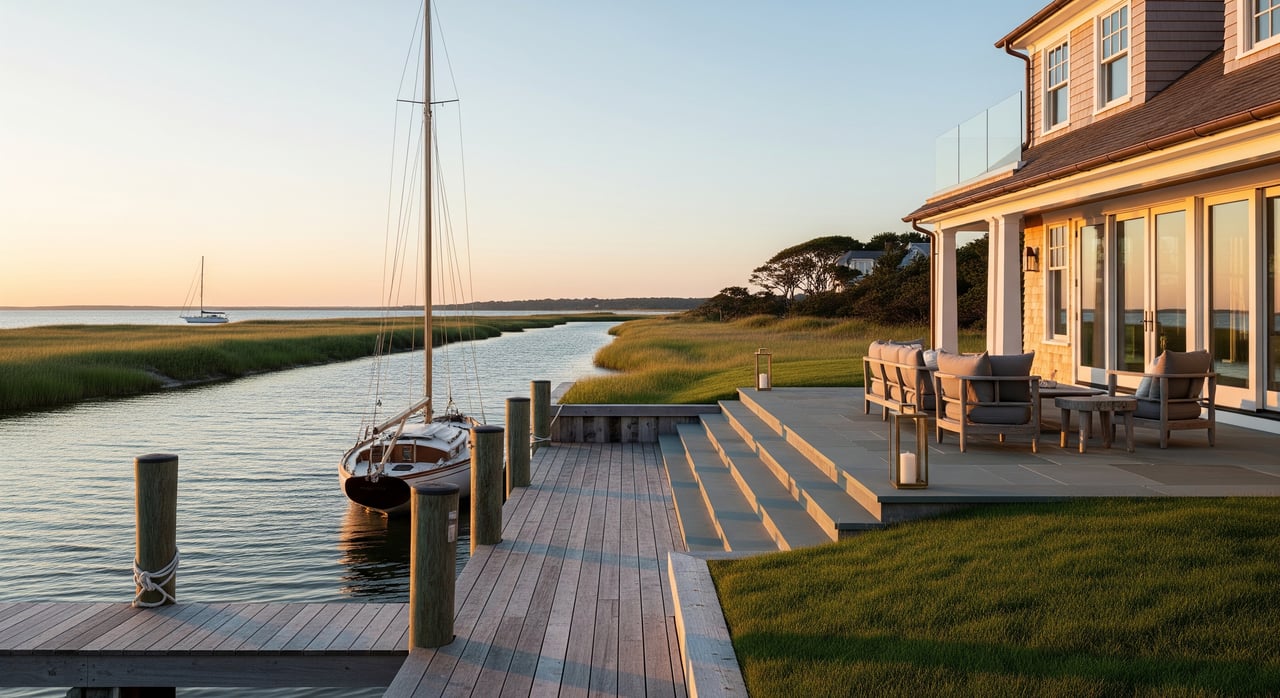
Wondering why a cottage near Greenport’s harbor can outprice a larger home a few miles away? If you watch listings here, you see well-located properties move quickly, especially when they check the right boxes for NYC buyers. Whether you are buying or selling, it helps to understand how migration from the city, transport options, and a walkable village lifestyle shape value on the North Fork. This guide breaks down what drives pricing in Greenport, how it differs from nearby hamlets, and the practical checks that help you make smart decisions. Let’s dive in.
NYC demand sets the pace
New York City buyers have shown sustained interest in the East End since the pandemic period. Many are working remote or hybrid, want more outdoor space, and are drawn to restaurants, marinas, wine country, and a slower pace. Greenport offers all of this in a compact, walkable village.
Migration from higher-priced metro areas increases demand in a limited-supply market. In a small village like Greenport, that pressure tends to lift prices and speed up absorption when the property matches what buyers want. The result is shorter time on market and stronger sale-to-list outcomes for the right homes.
Buyer profiles you will see
- Primary-residence or hybrid workers who want a weekly commute option plus a village lifestyle.
- Second-home and weekend buyers from NYC and Connecticut seeking a walkable Main Street, dining, and boating.
- Investors focused on seasonal or short-term rentals where local rules allow.
- Retirees and lifestyle buyers who value historic character and easy access to services.
What that means for pricing
Buyers tied to the city tend to value lifestyle access over acreage. In Greenport, that creates observable premiums for properties that combine walkability, waterfront proximity, and dining access. Inland or more rural properties can still be prized, but the village lifestyle often commands a different pricing tier.
Connectivity to NYC drives premiums
How you get to and from the city matters. For commuting or frequent weekenders, reliability and options shape what a home is worth.
- Driving via Route 25 and the Long Island Expressway sets a baseline, but travel times swing with season and time of day.
- Long Island Rail Road service levels and any seasonal adjustments influence whether buyers see Greenport as commuter-friendly or second-home focused.
- Ferry access is a big plus. The cross-sound ferry at Orient Point connects to Connecticut, and local ferries link Shelter Island. For boaters, marina access within the village adds another layer of convenience.
Properties that offer faster or more flexible connections to NYC tend to earn a premium. When you combine transit access with walkability to cafes, shops, and marinas, buyers notice and act quickly.
Weekday vs. weekend behavior
Weekday commuters prioritize predictable connections. Remote workers and weekenders value flexible options, especially ferries and rail on peak travel days. Seasonal service patterns can shape buyer pools and lead to faster summer sales, with different negotiation dynamics in the off-season.
Greenport vs. nearby hamlets
Greenport stands apart for its compact village core, restaurants, arts scene, and pedestrian-friendly streetscape. That “walkable village” product is different from nearby hamlets like Southold, Mattituck, Jamesport, and Orient, where settlement is more dispersed and many buyers prioritize land, privacy, or agricultural surroundings.
Waterfront always commands a premium across the North Fork, but in Greenport the proximity to harbor and marinas intensifies that effect. Even inland village homes can trade at strong prices when they deliver walkability and services.
Micro-market realities to expect
- Inventory is naturally limited in a small, desirable village, which often means faster absorption for well-positioned listings.
- Spring and summer usually bring higher activity and quicker deals; the off-season can create more room for negotiation.
- Properties that match high-demand traits, such as turnkey condition near the water and Main Street, often achieve stronger sale-to-list ratios.
What commands a premium in Greenport
- Walkability to the village core. Quick access to dining, markets, shops, library, and seasonal events is a clear value driver.
- Ferry and marina access. Proximity to ferry terminals or a private dock is a major differentiator for boaters and weekenders.
- Historic character. Period architecture and village charm appeal to lifestyle buyers.
- Turnkey condition. Renovated, move-in-ready homes simplify weekend use and reduce project risk.
- Lot, privacy, and views. Water views or unobstructed outlooks lift pricing across product types.
- Carrying costs. School district, property taxes, and insurance matter. Flood zones can add cost and lender requirements.
- Rental potential. Where permitted, short-term rental viability can support investor demand.
Practical checks before you buy or sell
Greenport’s premiums are real, but smart due diligence keeps decisions grounded.
- Verify flood zone designations and review flood insurance implications for waterfront and near-water parcels.
- Confirm local zoning, coastal rules, and any historic district guidelines with the Town of Southold.
- Compare property taxes across school districts and factor them into net carrying costs.
- Check current LIRR schedules and seasonal ferry service to confirm commute and weekend access.
- Review short-term rental rules and permits. Town regulations shape income assumptions.
- Ask lenders and insurers for coastal underwriting guidance and sample premiums early in your process.
Pricing and positioning a Greenport home
If you are selling, the goal is to align your property with the buyer groups most likely to compete for it.
- Lead with the lifestyle. Highlight the specific walk-to amenities, marina proximity, and ferry or rail options your location offers.
- Showcase historic and design details. Buyers here respond to architecture and craft.
- Present turnkey readiness. Use selective improvements to reduce buyer friction. Focus on kitchens, baths, systems, and outdoor living.
- Tell the village story. Map out dining, markets, and water access in your marketing so NYC buyers picture weekend routines.
- Time the market. Spring and summer visibility often draws more foot traffic and second-home interest.
A refined listing strategy that pairs editorial-quality visuals with clear lifestyle framing helps create scarcity and competitive tension. The aim is to attract the largest pool of NYC-aligned buyers while supporting appraisal and financing with strong comparables and documentation.
For buyers: how to evaluate value
Know which premiums are worth paying for your lifestyle and exit plan.
- Define your access priorities. If you need frequent NYC trips, weigh walkability to rail or ferry and the reliability of each option.
- Put a price on convenience. A smaller in-village home can outperform a larger rural property if your usage favors walking to dining and marinas.
- Underwrite carrying costs. Model taxes, insurance, and any flood coverage so your all-in monthly picture is realistic.
- Confirm rules early. If rental income matters, review permit paths and restrictions before you offer.
- Test the route. Make the drive, take the train, and ride the ferry at your likely travel times.
- Think resale. Properties that combine walkability, water adjacency, and turnkey condition tend to hold broader appeal over time.
Climate, insurance, and long-term resilience
Coastal living brings both benefits and responsibilities. Sea-level rise and storm risk are part of the long-term picture for waterfront and near-water homes. Many buyers accept that tradeoff for the lifestyle, but costs and underwriting can shift over time. Assess elevation, drainage, and mitigation features, and talk to your insurer about scenarios, not just today’s premium.
The bottom line for Greenport pricing
NYC migration, combined with Greenport’s walkable village and marine access, shapes a micro-market where the right homes move quickly. Connectivity and lifestyle layers compound value, while regulation, taxes, and insurance set the boundaries. When you understand these levers, you can price boldly as a seller and act decisively as a buyer.
If you are weighing a sale or searching for a home, we can help you read the micro-market, align timing, and market or bid with confidence. Schedule a confidential consultation with The Elkin Team.
FAQs
How does NYC demand impact Greenport prices vs. other North Fork areas?
- Greenport’s walkable village and marina access attract NYC buyers who value convenience, which can support stronger pricing relative to more rural hamlets that prioritize land and privacy.
Is Greenport realistic for weekly commuting to NYC?
- It can be, depending on your schedule and tolerance for variability. Rail service, highway traffic, and ferry options all factor into whether a property meets your weekday needs.
Do walkable village homes outperform larger inland homes on resale?
- Often, yes. Properties that pair village access with turnkey condition and water adjacency tend to appeal to a broader buyer pool, which can support resale strength.
How do flood zones in Greenport affect buying decisions?
- Flood designations can increase insurance costs and lender requirements. Verify the flood map for a property and account for potential premium and mitigation expenses.
What should investors know about short-term rentals in Southold Town?
- Rules vary and permits may be required. Confirm the current short-term rental regulations before underwriting income or an investment purchase.