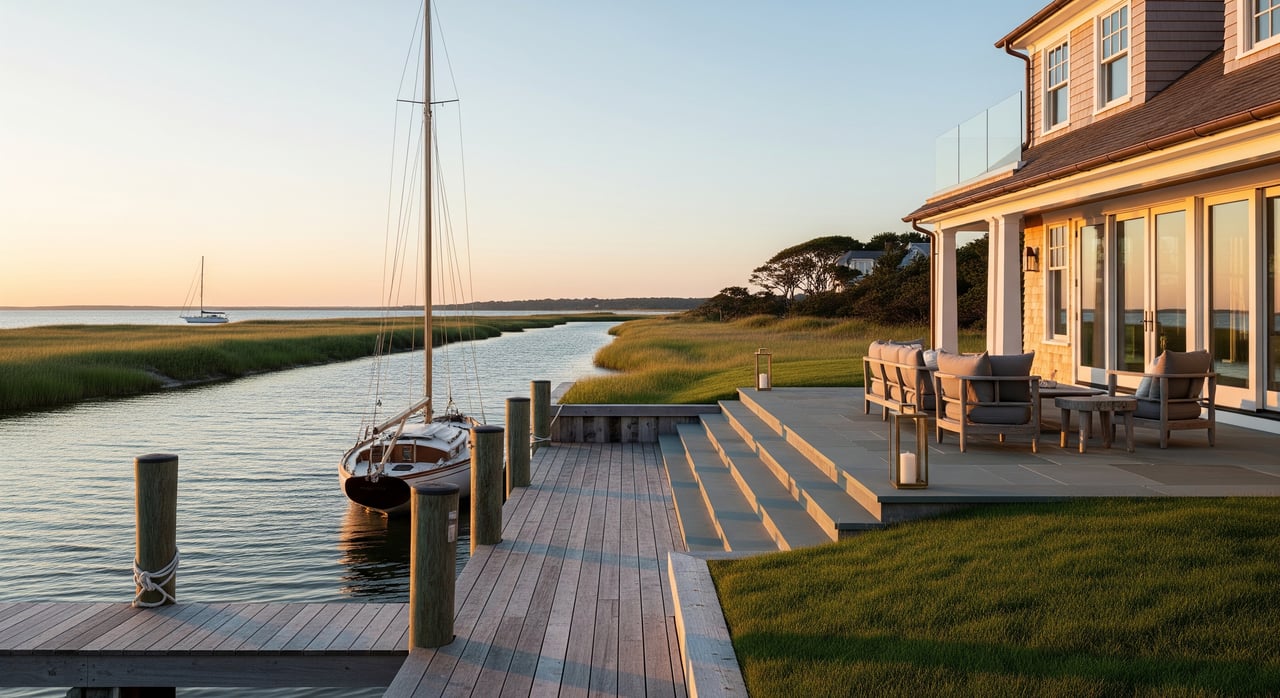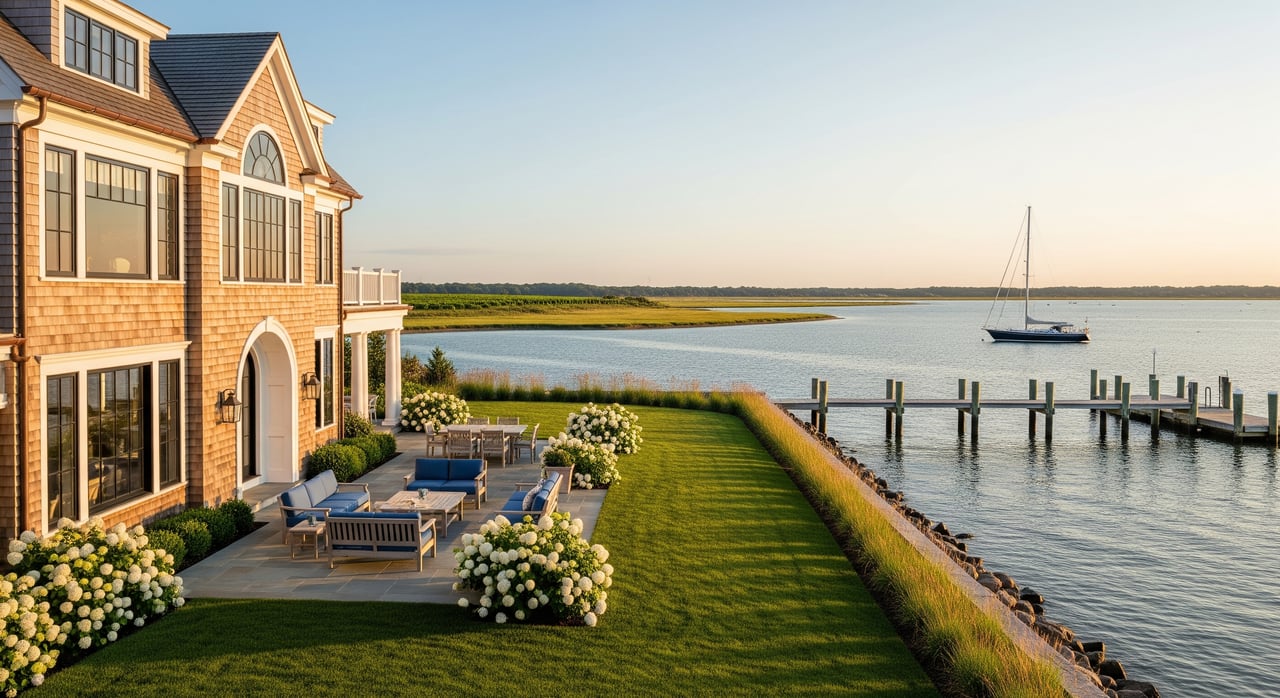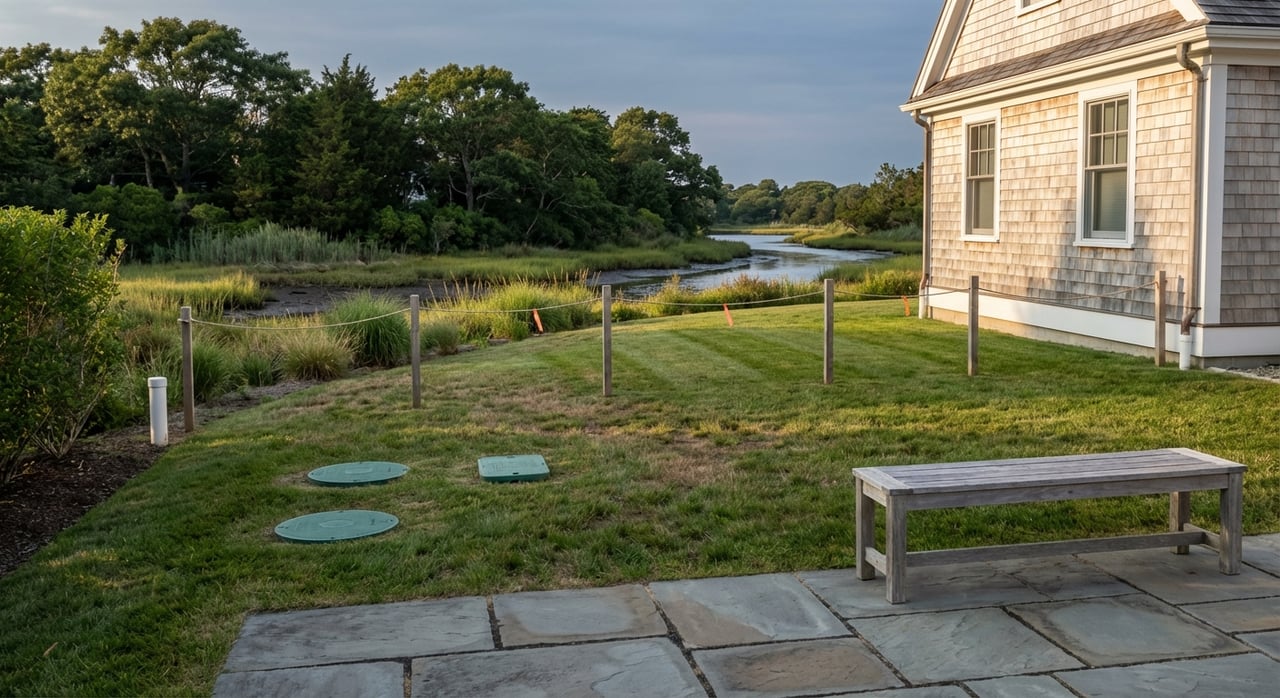
Buying near the water on Shelter Island is exciting, but wetlands and septic rules will shape what you can build, where you can place it, and how long approvals take. If you want big views and a turnkey plan, you need clear answers before you commit. This guide breaks down the local 75 and 100 foot wetland rules, Suffolk County septic standards, timelines, grants, and smart due diligence steps. Let’s dive in.
Wetlands rules: 75 and 100 feet
Shelter Island defines a shoreline vegetative buffer of 75 feet measured landward from the wetland edge, plus an adjacent regulated area that together create a 100 foot regulated zone. Activities in that zone, including installing or altering septic systems, typically require a Town wetlands permit. Read the Town’s wetlands law for definitions, regulated activities, and enforcement provisions in Chapter 129 of the code.
Disturbing the buffer without permission can trigger penalties and restoration requirements. Expect the Town Wetlands Officer and, in some cases, the Planning Board to review plans that affect the buffer or regulated area. Build compliance into your timeline and keep documentation from your contractors.
Near Shore overlay and setbacks
Shelter Island’s Near Shore and Peninsular Overlay District adds siting rules for shoreline lots. The code states, “Buildings and structures including wastewater disposal systems and sanitary systems shall be located at least 100 feet from the landward edge of a tidal or freshwater wetland.” You can review this and related stormwater and design requirements in Chapter 133.
Overlay rules can be stricter than a wetlands permit alone. In some cases a wetlands permit may be possible, but zoning relief still requires a variance. Confirm which standard governs your specific plan before you finalize designs.
Suffolk septic standards you must meet
Septic design and permitting are handled by Suffolk County Department of Health Services. The county’s Residential Standards require a NYS-licensed design professional, test pits or borings to identify the highest expected groundwater, and sealed plans for permit. You can review the technical rules in the SCDHS Residential Standards.
Vertical separation is key near the coast. In most cases the bottom of a leaching structure must be at least 3 feet above the highest expected or recorded groundwater. For certain county-approved shallow or alternative systems, SCDHS may allow 2 feet of vertical separation under controlled conditions. Permit reviews are handled by the county’s Office of Wastewater Management, which cites residential approvals on the order of weeks to a few months, often around 3 months when applications are complete. See the process overview on the SCDHS Residential Permits page.
I/A systems and when they apply
Innovative/Alternative Onsite Wastewater Treatment Systems (I/A OWTS) reduce nitrogen and can be required where conventional systems are unsuitable or when policy calls for advanced treatment. If you need or choose an I/A system, expect detailed design, operations and maintenance, and registration requirements. Check that your chosen technology appears on the county’s approved I/A systems list.
Grants and rebates to offset costs
Upgrading to an I/A system costs more than a conventional septic, but rebates can help. Shelter Island’s Water Quality Improvement program provides a base rebate up to 12,000 dollars, a 5,000 dollar grant for pressurized shallow drainfields, and a 4,000 dollar grant for private well relocation under defined conditions. Local rebates are designed to pair with county programs where eligible and often involve conditional agreements and timing rules. Review the Town’s funding policy and application details in the WQI program document.
Apply early if you plan to pursue rebates. Budget time for paperwork, eligibility confirmations, and coordination between Town and County reviewers.
Map your lot before you bid
Start with the Town’s interactive GIS to understand overlays, wetlands, and context. Open the parcel, turn on wetlands, Near Shore overlay, parcels, and flood zones, and measure distances from the mapped wetland line to the house and any septic components. The Shelter Island GIS is the most practical first step.
If tidal wetlands are state mapped, New York State DEC permitting may apply in addition to Town approvals. Town code examples illustrate projects where flood zone and wetland proximity both matter, which is why siting and elevation need to be coordinated with zoning and wetlands rules in Chapter 133. If you see tight distances or low-lying areas, plan on a survey with two foot contours and, if needed, a formal wetland delineation.
Buyer due diligence checklist
Pre-offer
- Pull the lot in the Town GIS and note distances from the wetland line to structures and apparent septic areas.
- Build contingencies for septic feasibility, a wetland delineation if boundaries are unclear, and confirmation that your intended uses can be permitted.
- Ask the seller for recent septic records and any Town wetlands permits or prior approvals.
Pre-closing
- Hire a NYS-licensed design professional to open test pits, identify seasonal high groundwater, and prepare a written septic feasibility letter per the SCDHS Residential Standards.
- Submit Town wetlands permit materials or obtain written confirmation that proposed work is outside the regulated area. Expect survey-grade plans with two foot contours for Near Shore projects.
- If an I/A system is likely, confirm the technology appears on the county’s approved list and start rebate applications early using the Town’s WQI policy.
After closing
- Allow time for SCDHS inspections, as-built plans, and any Town-required revegetation or buffer restoration.
- Keep copies of all approvals and O&M contracts with property records.
How rules affect value and timing
Water proximity lifts value but adds constraints. On parcels with shallow groundwater, a compliant layout may require an I/A system, a pressurized shallow drainfield, or a smaller footprint than you expected. These conditions can affect insurability, financeability, and future expansion.
Most waterfront improvements involve parallel reviews. Plan for Town wetlands and zoning approvals, Suffolk County septic permits, and DEC review if state tidal wetlands are involved. County septic approvals often land around a few months for complete residential applications, so build in buffer time.
Who to involve and when
- Licensed surveyor: map the parcel, wetland line, and provide a certified survey with two foot contours where required.
- NYS-licensed design professional: complete test pits, site evaluation, and prepare SCDHS septic plans and permit application.
- Wetland scientist: delineate the wetland boundary if the mapped line is unclear or contested.
- SCDHS reviewer: coordinate septic permits and any variance requests through the Office of Wastewater Management.
- Town Wetlands Officer and Building Department: confirm local permits and sequencing for wetlands, zoning, and building approvals.
Ready to move with confidence?
With the right team and a clear plan, you can protect your timeline and preserve your options while you pursue the Shelter Island lifestyle you want. If you would like a confidential, expert view of a specific parcel or pre-offer strategy, connect with The Elkin Team to coordinate due diligence and position your bid.
FAQs
What is the 75/100 foot wetland rule on Shelter Island?
- The Town defines a 75 foot vegetative buffer plus an adjacent regulated area for a total 100 foot regulated zone from the landward edge of wetlands, and work there generally requires a wetlands permit per Chapter 129.
How far above groundwater must a septic be in Suffolk County?
- The bottom of a standard leaching structure must be at least 3 feet above the highest expected or recorded groundwater, or 2 feet for certain approved shallow alternative systems under the SCDHS Residential Standards.
Do I need a New York State DEC permit for a Shelter Island waterfront project?
- If tidal wetlands are state mapped, a DEC tidal wetlands permit may be required in addition to Town approvals, so confirm map status early and coordinate with local rules in Chapter 133.
How long do septic and wetlands permits usually take on Shelter Island?
- SCDHS residential septic approvals are often processed in weeks to a few months when applications are complete, and Town wetlands and zoning reviews can add time, so plan for parallel tracks and buffer time per the SCDHS Residential Permits page.
What is an I/A OWTS and is it required on Shelter Island?
- An I/A OWTS is a nitrogen-reducing system that may be required where conventional systems are unsuitable or by policy; verify eligibility and select from the county’s approved I/A list.
How do Shelter Island WQI rebates work for septic upgrades?
- The Town offers a base rebate up to 12,000 dollars, plus targeted grants for pressurized shallow drainfields and private well relocation, subject to conditions outlined in the WQI funding policy.