Is your timing helping or hurting your North Fork move? On the North Fork, the calendar shapes how many homes you see, how much competition you face, and how negotiations play out. If you understand the local rhythm, you can plan with confidence and avoid common missteps. In this guide, you’ll learn how inventory and pricing typically shift by season, how bayfront and village markets differ, and what to do if you are buying or selling in Northville, Riverhead, Southold, Greenport, Mattituck, or nearby. Let’s dive in.
How North Fork seasonality works
Inventory rises in late winter and spring
New listings start to climb in late February and build through spring as sellers aim for maximum exposure. Active inventory often feels most abundant from May into midsummer. By late summer and early fall, you may see fewer options as properties sell or pause. Winter brings the leanest selection, especially from November through February.
Buyer activity peaks from spring to summer
Showings ramp in March and surge through late spring and summer. Many out‑of‑area buyers plan weekend tours then, which can create crowded open houses and more same‑day offers. A smaller wave can appear in early fall as schedules shift. Winter is the quietest period, with fewer but often more motivated buyers.
Pricing and negotiations shift by season
In spring and early summer, competitive pressure tends to push list‑to‑sale price ratios higher and shorten days on market for desirable properties. Multiple offers are more common, especially for homes that show well and are priced for the market. In off‑peak months, buyers usually have more room to negotiate. Sellers may need to price tighter or offer concessions if a home requires work or appeals to a narrower audience.
Events and mortgage rates can change the tempo
Local events like harvest and wine festivals can create brief spikes in weekend demand. Broader factors, such as mortgage rates and national market shifts, can either amplify or soften seasonal swings. When rates ease, spring competition can intensify. When rates rise, activity can spread out and cool more quickly.
Bayfront vs. village patterns
Bayfront homes: what to expect
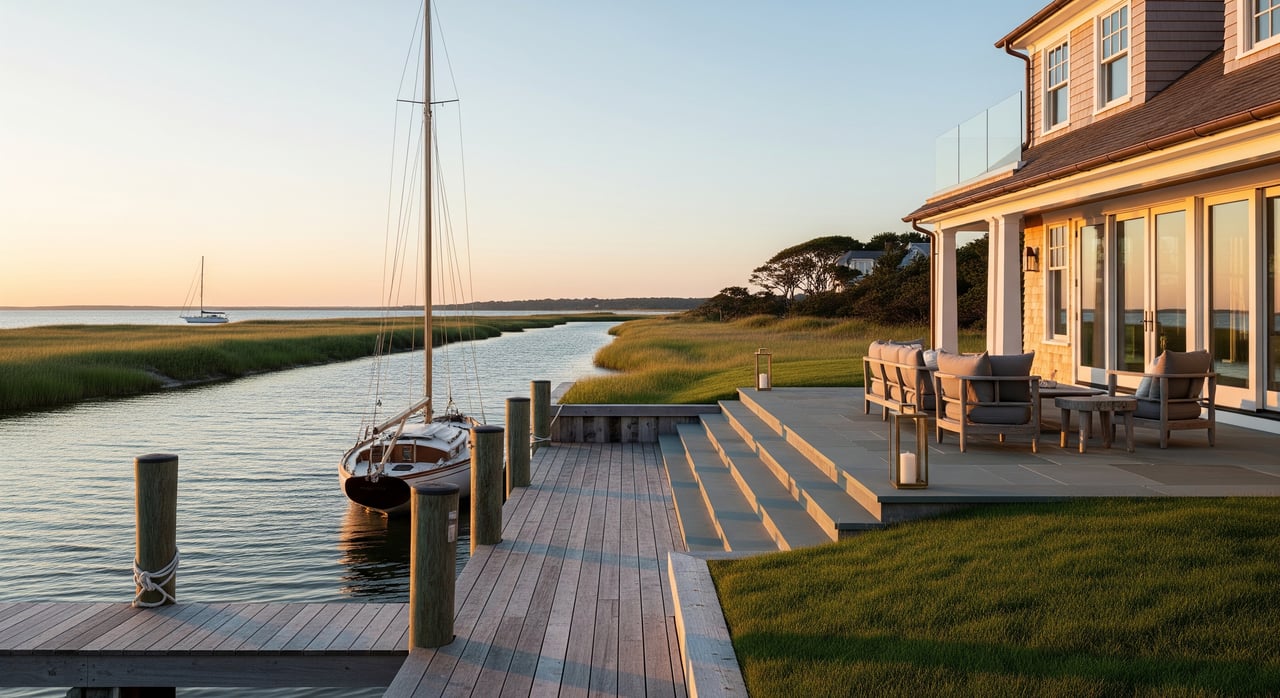
Waterfront and bay‑adjacent properties show the strongest seasonality. Listings and showings concentrate in spring and summer when buyers can experience water access, dock use, and sweeping views in season. Offers often come faster and stronger in peak months. Off‑season showings can underplay the lifestyle and may result in more cautious pricing or longer decision times.
Bayfront transactions often include added due diligence. Flood zones, FEMA mapping, insurance options, shoreline setbacks, dock permits, and coastal erosion checks can lengthen contingencies. These items are manageable with preparation, but they reward early planning.
Village homes: steadier year‑round
Greenport, Southold village, Mattituck village, and similar walkable areas draw both year‑round residents and second‑home buyers. Seasonality still exists, but day‑to‑day demand is more consistent thanks to year‑round services and amenities. Pricing is often steadier through fall and winter, and buyers weighing commuting access or community logistics may shop across more months.
Northville and Riverhead context
In and around Northville, where you have river, bay, and farmland edges plus proximity to Riverhead services and the Long Island Expressway, buyer interest can remain active beyond peak season. Convenience, year‑round necessities, and mixed property types give both buyers and sellers more flexibility in timing, even as the broader North Fork cycle still applies.
Timing strategies for sellers
Best exposure window
If you want broad exposure, plan to launch between late winter and spring. An early spring debut puts you in front of rising buyer traffic before the peak crowd arrives. Pricing should reflect both the property and the season. In peak months you may price more assertively, while off‑peak listings often perform best when priced with precision and supported by strong visuals.
Listing off‑season
Fall and winter can work when you value fewer competing listings and highly motivated buyers. Expect longer days on market and be ready to negotiate. If you prefer to wait for spring, prepare now so you can hit the market early with polished marketing, completed inspections, and accurate disclosures.
Waterfront seller checklist
- Assemble flood zone and insurance documentation, plus any elevation certificates.
- Gather dock, bulkhead, and shoreline permit history, and note any open applications.
- Schedule pre‑listing inspections for septic, roof, structure, and waterfront systems.
- Capture spring and summer photography that shows water clarity, dock usability, and views.
- Prepare clear operating cost details, including insurance and maintenance.
Village seller checklist
- Update mechanicals and complete a pre‑listing inspection where feasible.
- Document recent improvements and permits, including septic and utility upgrades.
- Highlight walkability, parking, and year‑round services with simple lifestyle visuals.
- Time your launch for late winter or spring for maximum exposure, or list in fall for less competition.
Marketing that moves the needle
Strong storytelling, high‑production photography and drone work, and a clear lifestyle narrative help create urgency in any season. For North Fork properties, visuals that show outdoor living, vineyard and harbor proximity, and functional layouts can influence both time on market and final price. If you are preparing now for spring, build your campaign materials during winter so you can launch with momentum.
Timing strategies for buyers
Plan in fall and winter
Use the quieter months to learn the market, assemble your team, and secure preapproval. You will see fewer listings, but you can move at a thoughtful pace, flag homes that may return in spring, and refine your location and property type.
Compete in spring and early summer
From March through July, expect more buyers, more open houses, and more same‑week offers. If you need to buy in this window, set your ceiling, have funds and documents ready, and prepare to move quickly on inspections and appraisal. Ask your agent to share a plan for strong terms and clean contingencies that fit your risk profile.
Use off‑season leverage wisely
Winter buyers face less competition, which can mean better terms. The trade‑off is limited choice and the challenge of seeing properties outside typical seasonal conditions. If you pursue a waterfront home off‑season, try to arrange a return visit in warmer months or extend diligence to evaluate tides, noise, and dock usability.
Waterfront buyer checklist
- Verify flood zone, insurance options, and storm history.
- Review dock permits, bulkhead condition, and shoreline setbacks.
- Visit in the season you plan to use the home, if possible, to assess light, wind, and boating patterns.
- Budget for higher maintenance and potential specialty contractors.
Village buyer checklist
- Test year‑round logistics, including winter parking and off‑season business hours.
- Confirm commuting options and access routes if needed.
- Review septic or utility details and recent permits.
- Walk the neighborhood at different times to gauge noise and traffic.
The data to watch
Five metrics that tell the story
- New listings by month. Shows when supply surges and which months bring the most choice.
- Active inventory and months of inventory. Signals how tight or loose the market feels in real time.
- Closed sales by month. Confirms when demand turns into actual closings.
- Median sale price and days on market. Tracks competitive pressure and buyer urgency.
- List‑to‑sale price ratio and price reductions. Reveals how often sellers meet the market and when buyers win concessions.
If available, also track the share of cash sales, buyer origin, and a simple split of waterfront versus village results. These help you understand who you are competing with and where.
How to use these metrics
- Sellers: If new listings and buyer traffic are rising, lean into professional presentation and calibrated pricing. If inventory is thin, you may capture a premium with a strong launch. If price reductions tick up in late summer or winter, tighten price and focus on turnkey presentation to shorten time on market.
- Buyers: When days on market fall and list‑to‑sale ratios rise, be ready to act quickly and keep terms clean. When inventory builds or reductions increase, look for negotiation opportunities or improved selection.
Regulatory and due diligence notes
Waterfront sales often involve specialized reviews. Expect flood zone verification, insurance quotes through the National Flood Insurance Program or private carriers, and careful assessment of shoreline structures. Docks, bulkheads, and lifts may require town, county, or state permits, and permit histories can influence timelines.
Across the North Fork, many homes rely on septic systems. Plan for inspections and potential upgrades under local health rules. Short‑term rental policies vary by town and can affect buyers who plan seasonal rental income. Staying current on these items can prevent delays during escrow and inform your negotiation strategy.
Put it all together
Seasonality matters on the North Fork. Inventory builds in spring, buyers flood the market in late spring and summer, and pricing power shifts with the calendar. Bayfront homes see the strongest seasonal swings, while village properties tend to be steadier through the year. With the right plan, you can use these patterns to your advantage, whether you are listing a waterfront estate in Cutchogue, a classic in Northville, or shopping for a Greenport village home.
Ready to time your move with confidence and a polished strategy tailored to your property and goals? Schedule a confidential consultation with The Elkin Team.
FAQs
When is the best time to list a North Fork home?
- Late winter through spring usually brings the most buyer traffic and exposure, with village homes offering more flexibility year‑round than bayfront properties.
Do North Fork prices peak in summer?
- Selling prices and list‑to‑sale ratios tend to be strongest in spring and early summer when competition is highest, though the exact timing varies by year.
Is winter a good time to buy a waterfront property?
- Winter often offers fewer competing buyers and more negotiating room, but listings are limited and seasonal conditions are harder to judge, so extend diligence or revisit in summer.
How does seasonality affect Greenport and Southold village homes?
- Villages see steadier demand across the year due to walkability and services, yet spring still brings more new listings and heightened activity.
What should waterfront sellers prepare before listing?
- Gather flood and insurance documentation, permit histories for docks or bulkheads, recent inspections, and strong seasonal photography to speed due diligence and support pricing.